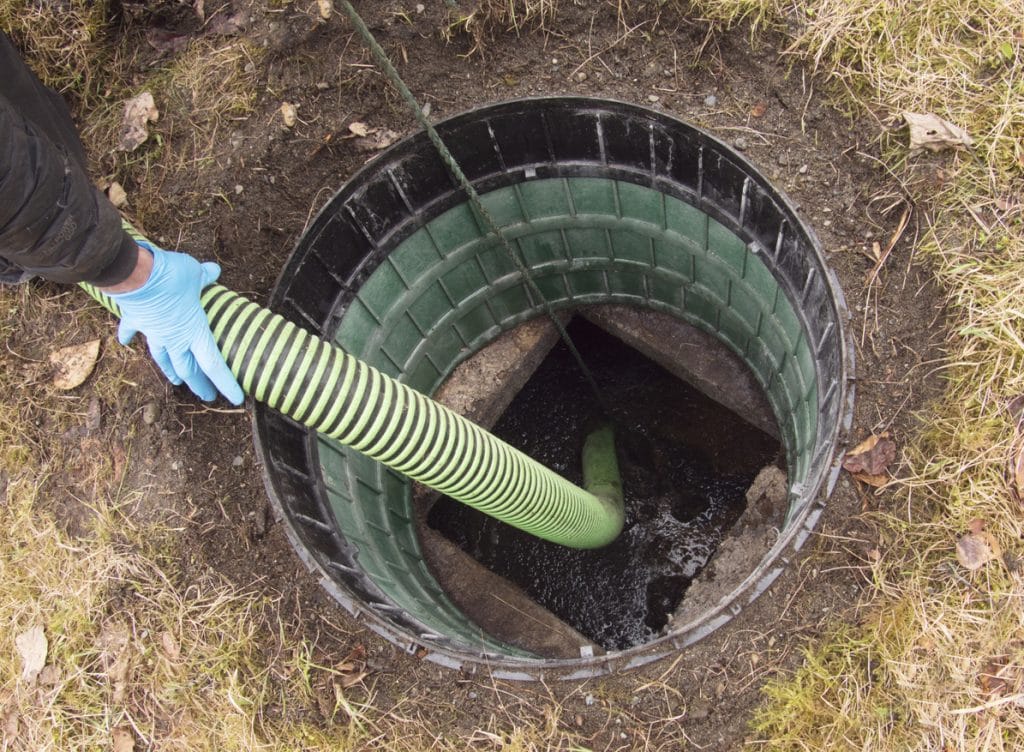
Get easy tips to eliminate septic tank odors and keep your home smelling fresh with regular maintenance and odor-control products.

Friday, 15 November 2024

How to Deal with Persistent Septic Tank Smells in Your Yard

How to Deal with Persistent Septic Tank Smells in Your Yard

How to Deal with Persistent Septic Tank Smells in Your Yard

A septic system is designed to effectively treat wastewater, but sometimes, unpleasant odors can waft from your yard, indicating a problem. These smells can be embarrassing and even harmful to your health. Identifying the source and addressing the issue promptly is crucial to maintaining a pleasant and healthy environment. This comprehensive guide will equip you with the knowledge to combat persistent septic tank smells in your yard effectively.

Understanding the Source of Septic Tank Smells

Septic tank smells are usually caused by the release of gases produced during the decomposition process in the tank. These gases, primarily hydrogen sulfide and methane, are naturally present in the system but should remain contained within the tank. When a smell emanates from your yard, it signifies a leak or breach in the system, allowing the gases to escape.

Common Causes of Septic Tank Smells

  • Overloading the Tank: When the septic tank is overloaded beyond its capacity, the wastewater cannot be treated efficiently, leading to a buildup of solids and gases, resulting in odor problems.
  • Improper Maintenance: Regular septic system maintenance, including pumping out the tank and inspecting the components, is crucial for preventing odor issues. Neglecting these tasks can lead to a malfunctioning system.
  • Faulty Tank or Components: Cracks, leaks, or faulty connections in the septic tank or its components can allow gases to escape, creating a persistent odor problem.
  • Tree Roots: Intruding tree roots can damage the septic system's pipes and lines, creating pathways for odors to escape into your yard.
  • Dry Weather: During dry weather, the water level in the septic tank may drop, exposing more of the solids and intensifying the odors.
  • Dry Wells and Drain Fields: Problems with the dry wells or drain fields, such as clogging, blockage, or poor drainage, can also lead to odor issues.

Troubleshooting and Solutions

Before diving into drastic measures, it's essential to pinpoint the source of the odor. Here are some troubleshooting steps and corresponding solutions:

1. Inspect the Septic Tank

Start by inspecting the septic tank itself. Look for any visible cracks or leaks. If you notice any signs of damage, contact a qualified septic system professional for repair.

2. Check for Overloading

Determine if your septic tank is being overloaded. Consider the number of people living in your household, the frequency of water usage, and the tank's size. If you suspect overloading, contact a septic professional to assess the situation and recommend a solution, which might involve pumping the tank more frequently.

3. Evaluate the Drain Field

If the odor is coming from the vicinity of the drain field, it might indicate a blockage or malfunction. Inspect the drain field for signs of poor drainage, ponding water, or a strong smell. Consult a septic specialist to diagnose and address any issues in the drain field.

4. Address Tree Root Intrusion

If tree roots are encroaching on your septic system, they can create a path for odors to escape. Remove or trim the affected tree roots, preventing further damage and odor issues.

5. Maintain Your System Regularly

Ensure that your septic system is properly maintained through regular pumping and inspections. The recommended frequency for pumping varies depending on the size of the tank and the number of occupants, but it's generally advised to have it pumped every 3 to 5 years.

Tips for Reducing Septic Tank Smells

While addressing the root cause of the odor is paramount, these additional tips can help minimize the smell in the meantime:

  • Use Odor-Eliminating Products: There are commercially available septic system odor eliminators and deodorizers that can help mask or neutralize unpleasant smells.
  • Avoid Pouring Harmful Substances: Chemicals, grease, paint, and other hazardous materials can damage your septic system and exacerbate odor problems. Dispose of them properly and responsibly.
  • Flush Regularly: Regularly flushing your toilet, even with a small amount of water, helps maintain the water level in the septic tank and prevents odors from escaping.
  • Improve Ventilation: If your septic tank has a vent pipe, ensure it's free of obstructions and properly vented to the atmosphere. A well-functioning vent pipe can help dissipate gases and minimize smells.
  • Use Septic-Safe Products: Choose detergents, cleaning products, and other household items that are septic-safe. These products are formulated to be broken down by the bacteria in the septic tank, preventing clogs and odor problems.
  • Plant Odor-Absorbing Plants: Some plants, such as lavender, rosemary, and mint, are known for their ability to absorb odors. Planting these around your septic system can help mask the unpleasant smells.

Addressing Severe Odor Issues

If the smell persists despite troubleshooting and implementing these tips, it's essential to contact a qualified septic professional. They can diagnose the problem accurately and provide an effective solution. A professional might need to:

  • Inspect and Repair Faulty Components: A professional can identify and repair leaks, cracks, or other damages in the septic tank or its components.
  • Pump and Clean the Tank: A thorough cleaning and pumping of the septic tank can remove accumulated solids and excess waste, reducing odor production.
  • Repair or Replace the Drain Field: If the drain field is malfunctioning or damaged, it might need to be repaired or replaced to prevent further odor issues.

Prevention is Key

The best way to deal with septic tank smells is to prevent them from occurring in the first place. Regular maintenance and preventative measures are crucial. Here are some key preventative actions:

  • Regular Pumping: Pump your septic tank every 3 to 5 years, or more often if your household generates significant wastewater.
  • Inspect Components: Have a professional inspect your septic system regularly, including the tank, pipes, and drain field, to detect potential problems before they escalate.
  • Avoid Overloading: Be mindful of the volume of wastewater you're sending to the septic system, especially during peak usage times.
  • Protect from Roots: Regularly check for tree roots near your septic system and take preventive measures to prevent them from intruding.

Conclusion

Persistent septic tank smells in your yard can be a nuisance and indicate a potential problem with your system. By understanding the common causes of these odors, implementing troubleshooting steps, and practicing preventative measures, you can effectively combat them and maintain a pleasant and healthy environment. Remember that regular maintenance, professional inspections, and prompt action are essential to ensure your septic system operates efficiently and odor-free.
Share:

Thursday, 14 November 2024

How to Keep Your Septic Tank Smelling Fresh with the Right Removers

How to Keep Your Septic Tank Smelling Fresh with the Right Removers

How to Keep Your Septic Tank Smelling Fresh with the Right Removers

Let's face it: Nobody wants their home smelling like a sewage treatment plant. But when you have a septic system, that risk is always lurking. Thankfully, there are ways to keep your septic tank smelling fresh and functioning smoothly, all thanks to the magic of septic tank removers.

But before we dive into the world of odor-eliminating solutions, let's understand why those pungent smells happen in the first place. It's all about the bacteria.

Your septic tank is a mini-ecosystem, teeming with bacteria that break down the waste you send down the drain. This breakdown process releases gases, some of which are, let's just say, less pleasant than others. When these gases build up, they can escape into your home through vents or even seep up through the drain lines. Not exactly a pleasant aroma, right?

So, how do we combat these smelly culprits? Enter the septic tank removers. These powerful solutions come in various forms, but they all aim to do one thing: keep those bacteria happy and working efficiently, while minimizing those unwanted odors.

Understanding Septic Tank Removers

Septic tank removers are a bit like the cleaning crew for your underground waste management system. They work by:

  • Breaking Down Waste: They help those hardworking bacteria break down solids more efficiently, preventing them from accumulating and creating a breeding ground for odor-causing bacteria.
  • Controlling Odor: They neutralize smelly gases, keeping them trapped within the tank where they belong.
  • Maintaining Tank Health: Some removers help prevent sludge buildup, extending the life of your septic system and reducing the need for costly pump outs.

Now, let's break down the different types of removers you'll find on the market:

Types of Septic Tank Removers

1. Bacteria-Based Removers

These are like sending in a team of super-efficient bacteria to do the heavy lifting. They contain beneficial bacteria that are specifically designed to digest organic waste, breaking it down faster and more thoroughly. This prevents buildup and helps control odors.

2. Enzyme-Based Removers

These are similar to bacteria-based removers but utilize enzymes to break down organic waste. Enzymes act as catalysts, speeding up the breakdown process. They're often effective at dealing with grease and fats, which can be particularly problematic in septic systems.

3. Chemical Removers

These removers utilize chemicals to break down waste and control odors. While effective, some chemical removers can be harsh on your septic system, potentially damaging beneficial bacteria. It's crucial to choose chemical removers specifically designed for septic systems and follow usage instructions carefully.

Choosing the Right Septic Tank Remover

Picking the best remover for your needs can be a bit of a science. Here are some key things to consider:

  • Type of System: Some removers are specifically formulated for certain septic tank systems. Check the product label for compatibility with your system.
  • Frequency of Use: Some removers are designed for regular maintenance (monthly or quarterly), while others are used as needed for occasional odor issues.
  • Ingredients: Consider the ingredients and their potential impact on your septic system. Bacteria- and enzyme-based removers are generally considered safer for your system than harsh chemicals.
  • Cost: Removers range in price. Compare options to find a balance between effectiveness and affordability.

Using Septic Tank Removers Safely and Effectively

Once you've chosen the right remover, it's important to use it safely and effectively to maximize its benefits. Here are some tips:

  • Read the Instructions: Follow the manufacturer's instructions carefully, including dosage, application method, and frequency of use. Overusing a remover can be detrimental to your system.
  • Proper Application: Apply the remover directly to the toilet bowl or down the drain, as instructed by the manufacturer. Some removers require a specific amount of water for proper activation.
  • Maintain Water Levels: Keep your septic tank filled with enough water to prevent odors. Flush toilets regularly and avoid excessive use of water-consuming appliances.
  • Avoid Harsh Chemicals: Avoid using harsh chemicals down the drain, such as bleach, drain cleaners, or disinfectants. These can kill beneficial bacteria and harm your septic system.
  • Regular Maintenance: Septic tank removers are part of a comprehensive maintenance plan. Regular inspections and pump outs by a qualified professional are essential for a healthy system.

Common Mistakes to Avoid When Using Septic Tank Removers

Even with the best intentions, some common mistakes can hinder the effectiveness of septic tank removers. Here are some to avoid:

  • Overusing the Remover: Too much of a good thing can be bad! Stick to the recommended frequency of use for your chosen remover.
  • Using the Wrong Remover: Always check the product label to ensure it's compatible with your septic tank system.
  • Ignoring Other Maintenance: Septic tank removers are not a replacement for regular maintenance, including pump outs and inspections.
  • Using Harsh Chemicals: Avoid pouring bleach, disinfectants, or other harsh chemicals down the drain, as these can harm your septic system.
  • Improper Application: Follow the application instructions carefully, as the method can impact the remover's effectiveness.

Commonly Asked Questions

1. How often should I use a septic tank remover?

The frequency depends on the specific remover you choose and the size and usage of your septic system. Some removers are designed for monthly use, while others are for quarterly or as-needed applications. Check the product label for recommendations.

2. Can I use a septic tank remover in a conventional sewer system?

No! Septic tank removers are designed specifically for septic systems. They can be harmful to sewer systems and should never be used in them.

3. Do I need to use a septic tank remover if I have a regular maintenance schedule?

While regular pump outs and inspections are crucial, a septic tank remover can still be beneficial. It can help manage odors, improve waste breakdown, and extend the life of your system between pump outs.

4. Can septic tank removers damage my septic system?

Some chemical removers can be harsh on your system and may damage beneficial bacteria. Choose bacteria- or enzyme-based removers for a gentler approach. Always follow the manufacturer's instructions to avoid overusing the remover.

5. Can septic tank removers eliminate all odors?

While septic tank removers effectively manage odors, they may not completely eliminate them. If you continue to experience persistent odors, contact a qualified septic system professional for inspection and maintenance.

Keeping your septic system smelling fresh and functioning smoothly is key to maintaining a healthy and comfortable home environment. By understanding the different types of septic tank removers, choosing the right one for your needs, and using it safely and effectively, you can keep those unpleasant smells at bay and ensure your system operates efficiently for years to come.

Share:

How to Protect Your Health from Septic Tank Odors in Your Home

How to Protect Your Health from Septic Tank Odors in Your Home

Protecting Your Health from Septic Tank Odors in Your Home

Septic tank systems are a common and reliable way to treat wastewater in areas without access to municipal sewer systems. However, one of the drawbacks of these systems is the potential for unpleasant odors to permeate your home. Not only is this offensive to your senses, but prolonged exposure to septic tank odors can also pose risks to your health.

This article will guide you through understanding the sources of septic tank odors, their potential health risks, and effective measures to protect your health from these unpleasant smells.

Understanding the Source of Septic Tank Odors

Septic tank odors are primarily caused by the breakdown of organic waste in the tank. This process releases various volatile organic compounds (VOCs), including:

  • Hydrogen sulfide (H2S): Known for its rotten egg smell, H2S is a highly toxic gas.
  • Methane (CH4): A flammable gas that can contribute to headaches and dizziness.
  • Ammonia (NH3): A pungent gas that can irritate the eyes, nose, and throat.
  • Indole and Skatole: Organic compounds that produce strong fecal odors.

These VOCs can escape from the septic system through various pathways:

  • Vent pipe: The vent pipe is designed to release gases from the septic tank to the atmosphere. However, if the pipe is clogged or poorly maintained, odors can escape into the house.
  • Drain field: If the drain field is overloaded or improperly installed, wastewater can back up and release odors.
  • Cracks in the tank or plumbing: Faulty or aging components can create pathways for odors to seep into the house.
  • Improperly sealed fixtures: Leaks or cracks in toilet bowls, shower drains, or sinks can allow odors to enter the home.

Health Risks Associated with Septic Tank Odors

While most people experience discomfort from septic tank odors, prolonged exposure can lead to more serious health issues:

Respiratory Problems

VOCs in septic tank odors can irritate the respiratory system, leading to:

  • Coughing and wheezing
  • Shortness of breath
  • Asthma attacks
  • Chronic obstructive pulmonary disease (COPD)

Neurological Issues

Some VOCs, such as methane and ammonia, can affect the central nervous system, leading to:

  • Headaches
  • Dizziness
  • Fatigue
  • Memory problems

Other Health Concerns

Exposure to septic tank odors can also contribute to:

  • Eye, nose, and throat irritation
  • Skin rashes
  • Nausea and vomiting
  • Infections: In rare cases, bacteria from the septic tank can be inhaled, leading to respiratory infections.

Protecting Your Health from Septic Tank Odors

Preventing and mitigating septic tank odors is crucial for safeguarding your health. Here are some practical steps to take:

Proper Maintenance

  • Regularly inspect and maintain your septic system: This includes pumping the tank every 2-5 years, depending on usage, and checking for cracks or leaks in the tank and plumbing.
  • Keep the vent pipe clear and unobstructed: Make sure the vent pipe extends at least 4 feet above the roofline and is free from obstructions.
  • Ensure proper drain field function: Avoid overloading the drain field with excessive water usage and maintain its health with regular inspection and maintenance.

Home Remedies

  • Use a septic tank odor eliminator: Products containing enzymes or bacteria can help break down odors at the source.
  • Ventilate your home: Open windows and doors to allow fresh air circulation, especially after using the bathroom or washing laundry.
  • Use a deodorizer: Place air fresheners or baking soda in strategic locations to absorb odors.
  • Clean drains regularly: Remove hair and debris from drains to prevent blockages that can trap odors.

Professional Solutions

  • Contact a qualified septic tank specialist: For complex odor issues, it's advisable to consult a professional for troubleshooting and repair.
  • Consider upgrading your septic system: If your system is old or failing, upgrading to a more modern and efficient system can significantly reduce odor problems.

Conclusion

Septic tank odors are a common nuisance, but they can also pose health risks. By understanding the sources of these odors and taking preventive measures, you can protect yourself and your family from their potential negative effects. Regular maintenance, home remedies, and professional solutions can help keep your home odor-free and ensure a healthy living environment.

Remember that if you experience persistent or severe odors, consult with a qualified septic tank professional for diagnosis and repair. Taking proactive steps towards maintaining your septic system and addressing odor issues can contribute to a healthier and more comfortable home.

Share:

Wednesday, 13 November 2024

The Dangers of Septic Tank Smells in Your Home and How to Address Them

The Dangers of Septic Tank Smells in Your Home and How to Address Them

The Dangers of Septic Tank Smells in Your Home and How to Address Them

Okay, let's talk about something that's not exactly a dinner conversation starter: septic tank smells. It's not exactly the most pleasant topic, but it's something we all need to be aware of. Because, trust me, those smells can be a real pain â€" not just for your nose, but for your whole house and even your health.

Think about it: you walk into your bathroom, and you're hit with that distinct, unpleasant odor. Maybe it's in your laundry room, or even wafting through the house. You know it’s coming from the septic system, but you’re not sure why. It's a sign that something's not right, and you need to address it ASAP.

So, why are septic tank smells so dangerous, and what can you do about them? Let's dive in!

The Dangers Lurking Behind Those Septic Tank Smells

Let’s start with the obvious: those smells are just plain gross! But beyond that, they're a sign that something is wrong with your septic system, and that can lead to some serious problems. It’s not just about the aesthetics either. There are real health risks involved here.

The Health Risks

Those smelly gases aren’t just unpleasant; they can be harmful. They contain nasty stuff like hydrogen sulfide, ammonia, and methane. These gases can trigger:

  • Headaches
  • Eye irritation
  • Respiratory problems
  • Dizziness
  • Nausea
  • Even long-term health issues like liver damage and neurological problems.

And that’s not all. If your septic system is leaking, it can also contaminate your drinking water with harmful bacteria. And that’s a recipe for some serious gastrointestinal illnesses.

The Environmental Impacts

Septic tank smells are also bad news for the environment. If your septic system is not properly maintained, it can leak sewage into the ground, contaminating the groundwater and soil. That can have serious consequences for the local ecosystem, impacting wildlife and even drinking water supplies.

Why Do Those Smells Happen?

Okay, so we know the smells are bad news, but what's causing them in the first place? The short answer: it’s all about bacteria!

Your septic tank relies on bacteria to break down waste, and those bacteria need to be happy! If the balance is off, it can cause things to get out of control. Here are a few things that can disrupt your bacteria's happy place:

  • Overloading the system: Too much waste, like after a big party, can overwhelm the bacteria, leading to backups and those pungent smells.
  • Poor drainage: If the drain field (the area where wastewater is filtered) is clogged or doesn’t have good drainage, the waste can't be processed efficiently and it can end up backing up, causing those unpleasant odors.
  • Age: Like anything else, septic systems get old and less efficient. The pipes can crack, the tank can fail, and that can lead to leaks, backups, and smells.
  • Improper maintenance: Just like your car needs an oil change, your septic system needs regular maintenance to keep it running smoothly. Neglecting that can lead to a variety of issues, including those smelly problems.
  • Tree roots: Those pesky tree roots can grow into your septic pipes and cause clogs. It’s a major source of septic tank issues, so it's something to keep an eye on.

How to Address Septic Tank Smells

So, you've got those smells, and you want them gone. But what can you do about it? Here’s a list of things to help you get rid of those odors and keep your septic system healthy:

1. Call a Septic Tank Professional

This is always your best bet. A professional can inspect your system, identify the problem, and recommend the best solutions. They can also help with preventative maintenance to keep your septic tank in top shape.

2. Address the Source of the Smells

Is it the bathroom drain, the laundry room, or something else? Identifying the source is key to tackling the problem. If it's a drain issue, you might just need to unclog it, or it could be a sign of a larger problem that needs a plumber to fix.

3. Don’t Flush Those Unfriendly Things

Your septic system isn't meant for everything! Don't flush things like:

  • Flushable wipes: They may say “flushable,” but they don’t break down like toilet paper.
  • Disposable diapers: Those things are designed to hold things in, not break down in your septic system.
  • Grease and oil: They can solidify in your pipes and cause clogs.
  • Large amounts of hair: Hair clumps together and can cause problems in your drain lines and septic tank.

4. Use Septic Tank Additives

These can help keep your system balanced and running smoothly. There are a variety of additives available, from bacteria enhancers to odor control agents. Consult with a professional to find the best product for your needs.

5. Get Regular Maintenance

Just like getting your car serviced regularly, your septic system needs attention too! Schedule a professional inspection every 2-3 years. This helps to catch issues early and prevent them from turning into major problems.

Living with a Septic System: Key Takeaways

Remember, your septic system is an important part of your home’s infrastructure, and keeping it healthy is essential for your family’s health and safety. Don’t ignore those smells, and don’t try to fix them on your own. Call a professional, and they can help you keep your septic system running smoothly and odor-free.

Ultimately, understanding your septic system and taking proactive steps to maintain it are the best ways to prevent those unpleasant smells and ensure your home is a healthy, happy space for you and your family.

Share:

What to Do if You Detect Dangerous Septic Tank Smells Inside Your House

What to Do if You Detect Dangerous Septic Tank Smells Inside Your House

What to Do if You Detect Dangerous Septic Tank Smells Inside Your House

The presence of a strong septic tank odor inside your home is not only unpleasant but also a serious health concern. It indicates a potential issue with your septic system that needs immediate attention. This article will guide you through the steps to take if you detect such a smell and help you understand the potential risks involved.

Understanding the Cause of Septic Tank Smells

The primary cause of septic tank odors is the release of gases, primarily hydrogen sulfide, methane, and ammonia, from the decomposition of organic matter in the tank. These gases can escape into the surrounding environment through various pathways:

1. Leaking Septic Tank

A crack or hole in the tank itself can allow sewage to seep out and release foul odors. This is a serious problem as it can contaminate the surrounding soil and groundwater.

2. Faulty Septic System Components

Issues with components like the distribution box, leach field, or vent pipe can also lead to odor problems. A blocked vent pipe, for instance, can prevent the release of gases, causing them to back up into your home.

3. Overloading the Septic Tank

Excessive use of water, especially in a short period, can overload the tank, causing solids to rise and release foul odors. This can also put pressure on the system, leading to leaks or backups.

4. Improper Maintenance

Lack of regular maintenance, including pumping out the tank, can lead to a buildup of solids, promoting the release of gases. Additionally, neglecting routine inspections can allow minor problems to escalate, resulting in odor issues.

Health Risks Associated with Septic Tank Smells

Septic tank odors are not just unpleasant; they pose significant health risks:

  • Respiratory problems: Inhaling septic tank gases can cause respiratory irritation, coughing, wheezing, and even pneumonia.
  • Eye irritation: The gases can irritate the eyes, causing redness, burning, and watering.
  • Skin irritation: Direct contact with sewage can cause skin irritation, rashes, and even infections.
  • Food poisoning: Sewage can contaminate food, leading to food poisoning and other gastrointestinal illnesses.

Steps to Take If You Detect Septic Tank Smells

If you detect a strong septic tank smell inside your house, it’s crucial to take immediate action:

1. Identify the Source

Pinpoint the location of the odor. Is it coming from a specific room, the bathroom, or the basement? This will help narrow down the potential problem areas.

2. Check the Septic Tank and System Components

Inspect the septic tank for any signs of leaks or damage. Check the vent pipe for blockages. If you notice any problems, contact a qualified septic tank professional immediately.

3. Reduce Water Usage

Temporarily reduce your water usage to avoid overloading the system and worsening the problem. Avoid using washing machines, dishwashers, and bathtubs.

4. Ensure Proper Ventilation

Open windows and doors to allow for fresh air circulation. This will help dissipate the odor and reduce exposure to harmful gases.

5. Call a Septic Tank Professional

Do not attempt to fix the problem yourself. A qualified septic tank professional has the expertise and equipment to diagnose the issue and perform necessary repairs or maintenance.

Preventing Septic Tank Smells

Preventing septic tank smells is crucial for maintaining a healthy home environment. Follow these recommendations:

  • Regular Maintenance: Schedule routine inspections and pumpings of your septic tank as recommended by the manufacturer or a septic tank professional.
  • Proper Water Usage: Avoid overloading the system with excessive water usage. Use water-efficient appliances and fixtures.
  • Avoid Flushing Non-Biodegradable Items: Do not flush items like sanitary wipes, paper towels, and medications down the toilet as they can clog the system and cause odor problems.
  • Use a Septic Tank Treatment: Consider using a septic tank treatment to break down solids and reduce odor.

Conclusion

Septic tank smells are a serious issue that requires prompt attention. Recognizing the potential risks and taking immediate action can help prevent health problems and ensure the proper functioning of your septic system. Remember to call a qualified professional for diagnosis and repair to avoid further complications.

Share:

Quick and Easy Fixes for Common Septic Tank Odor Problems

Quick and Easy Fixes for Common Septic Tank Odor Problems

Quick and Easy Fixes for Common Septic Tank Odor Problems

Let’s face it, dealing with a smelly septic system is never fun. But before you start digging up your yard or calling a professional, there are a few quick and easy fixes you can try to get rid of those unpleasant odors. These fixes can address common causes of septic tank odor, like clogged drain lines, overloaded tanks, and insufficient ventilation.

So, let’s get to it!

Common Causes of Septic System Odor

Understanding why your septic system is smelling up the place is the first step to solving the problem.

Overloaded Septic Tank

Imagine your septic tank as a garbage can. If you keep stuffing too much stuff into it, it’s going to overflow and start to stink. The same applies to your septic tank. If you’re regularly overloading it with too much waste, it can lead to a backup and unpleasant smells.

Clogged Drain Lines

Just like your bathroom drain can get clogged with hair, soap, and other debris, your septic system’s drain lines can also become blocked. This can happen due to things like tree roots growing into the pipes, grease buildup, or even flushing items that shouldn’t go down the drain (we’re looking at you, wipes!). When those lines get clogged, sewage can back up and create that dreaded smell.

Insufficient Ventilation

Your septic tank needs proper ventilation, just like any other space. A vent pipe allows for the release of gases and prevents pressure build-up in the tank. A clogged or damaged vent pipe can create a perfect storm for odors to escape.

Improper Septic System Design

Sometimes, the issue lies with the septic system itself. Maybe it wasn’t installed properly, or it’s simply too small for your household’s needs. In these cases, addressing the odor requires more than just a quick fix; it may involve professional evaluation and potential system upgrades.

Quick and Easy Fixes for Septic Tank Odor

Ready to tackle those smells? Here’s a list of things you can try at home:

1. Check Your Septic Tank and Drain Field

Is your septic tank full? How’s your drain field? It’s a good idea to check the level of the tank and the condition of the drain field regularly. If the tank is too full, you’ll need to pump it. And if your drain field is looking funky (like there’s standing water or soggy patches), it could be time for a professional assessment.

2. Use a Septic Tank Treatment

Septic tank treatments help break down waste and keep your system running smoothly. These treatments are a great preventative measure and can also help tackle existing odor problems. Look for treatments specifically designed for septic systems at your local hardware store or online.

3. Use Baking Soda and Vinegar

Baking soda and vinegar are natural odor-fighting powerhouses. Pour a cup of baking soda down the drain, followed by a cup of vinegar. Let the mixture sit for a few minutes, then flush with plenty of water. This can help clear some minor clogs and neutralize odors.

4. Avoid Flushing Unnecessary Items

We’ve all been there: you’re in a hurry and think, “I’ll just flush this down the toilet.” But resist the temptation! Toilet paper, food scraps, and grease can easily clog your drain lines and contribute to septic tank odor. Stick to flushing only human waste and toilet paper.

5. Check Your Vent Pipe

If your vent pipe is clogged or damaged, it can create a buildup of pressure in your tank, causing odors to escape. Check to see if the pipe is blocked and make sure it’s properly vented.

6. Consider a Drain Field Inspection

Is your drain field working properly? A properly functioning drain field is crucial for keeping your septic system odor-free. If you suspect your drain field is failing, call in a professional for an inspection.

When to Call a Professional

While these quick fixes can be helpful, sometimes the issue is beyond a simple DIY solution. Here are signs that you should call a professional plumber or septic system specialist:

  • Persistent, strong odors
  • Backup of sewage into your home
  • Soggy or wet ground around the drain field
  • Suspected damage to the septic tank or drain field
  • Preventing Septic System Odor

    Here are some tips to keep your septic system odor-free and running smoothly:

  • Pump Your Tank Regularly: A septic tank should be pumped every 3-5 years, or more frequently if you have a large household or use a lot of water.
  • Avoid Flushing Unnecessary Items: Don’t flush anything other than human waste and toilet paper.
  • Use Septic-Safe Products: When choosing laundry detergent, dishwasher soap, and other cleaning products, opt for septic-safe options.
  • Maintain Your Drain Field: Keep trees and shrubs away from your drain field to prevent roots from growing into the pipes.
  • Check for Leaks: Repair any leaks in your plumbing system, including leaky faucets, toilets, and pipes.
  • Final Thoughts

    A smelly septic tank can be a real nuisance, but with a little effort and these tips, you can get rid of those odors and keep your system running smoothly. Remember, preventative maintenance is key! If you find that your odor problems persist, don’t hesitate to contact a professional.

    Share:

    How Temperature and Moisture Affect Outdoor Septic Odors

    How Temperature and Moisture Affect Outdoor Septic Odors

    Temperature and Moisture's Impact on Outdoor Septic Odors

    Outdoor septic system odors can be a major nuisance, affecting the enjoyment of outdoor spaces and causing social embarrassment. While malfunctioning septic systems are the primary culprit, environmental factors like temperature and moisture play a crucial role in exacerbating these unpleasant smells. Understanding this interplay is essential for both homeowners and septic system maintenance professionals to effectively manage and mitigate odors.

    The Role of Temperature

    Temperature directly influences the rate of bacterial decomposition within the septic tank and leach field. As temperature increases, bacterial activity accelerates, leading to faster breakdown of organic waste. This accelerated decomposition can generate more gases, including hydrogen sulfide, methane, and ammonia, which contribute to the characteristic septic odor.

    Warm Temperatures and Odor Increase

    In warmer climates or during summer months, elevated temperatures can trigger a significant increase in bacterial activity, resulting in a greater production of odor-causing gases. This phenomenon is particularly noticeable in areas with limited shade and direct sunlight exposure, as the septic tank and leach field may experience higher temperatures. Additionally, warm weather can lead to increased evaporation from the septic system, further concentrating odors.

    Cold Temperatures and Odor Reduction

    Conversely, cold temperatures slow down bacterial activity, leading to a reduction in gas production and odor. During winter months, the slower decomposition rates contribute to a less noticeable odor, although this does not indicate a lack of issues within the septic system. The slowed decomposition in cold weather can lead to a buildup of waste within the tank, which could later result in more severe odor problems as the weather warms up.

    The Impact of Moisture

    Moisture is another crucial factor influencing septic odor. Excess moisture in the surrounding soil can hinder the proper functioning of the leach field, leading to odor problems. The leach field is designed to filter wastewater, and excessive moisture can overwhelm the soil's ability to absorb and treat the effluent, resulting in a buildup of waste and subsequent odor release.

    Excessive Moisture and Leach Field Dysfunction

    Heavy rainfall, poor drainage, and poorly designed leach fields can contribute to excessive moisture levels. When the soil becomes saturated, it can't effectively filter the wastewater, leading to a backlog of waste and the release of odor-producing gases. Additionally, excessive moisture can create anaerobic conditions within the leach field, which are conducive to the production of foul-smelling gases.

    Dry Conditions and Odor Intensity

    While excessive moisture is a common problem, dry conditions can also contribute to odor issues. When the soil surrounding the leach field is dry, it can become more susceptible to cracking and shrinking, allowing for the escape of gases. Additionally, dry conditions can lead to a decrease in bacterial activity, potentially slowing down the decomposition process and resulting in a buildup of waste.

    Managing Odor Issues

    Successfully managing septic system odors requires a multifaceted approach that addresses both the underlying issues and the environmental factors contributing to the problem.

    Regular Maintenance is Crucial

    Regular septic system maintenance is paramount to preventing odor problems. This includes:

    • Pumping: Regularly pumping out the septic tank removes accumulated solids and prevents the tank from becoming overloaded, reducing the risk of odor production.
    • Inspection: Periodic inspections by a qualified septic professional can identify potential issues within the system, allowing for timely repairs and preventing further odor problems.
    • Proper Use: Avoiding the disposal of non-biodegradable items like grease, hair, and chemicals into the system can prevent clogs and improve system efficiency, minimizing odor production.

    Addressing Environmental Factors

    Along with regular maintenance, addressing the impact of temperature and moisture is crucial. Consider these steps:

    • Shade: Planting trees or shrubs around the septic system can provide shade, helping to regulate temperatures and prevent excessive heat buildup.
    • Drainage: Ensure proper drainage around the septic system to prevent waterlogging and maintain healthy soil conditions. This might involve installing French drains or improving the existing drainage system.
    • Aeration: Utilizing a septic system aerator can help to reduce odor by increasing oxygen levels within the tank, promoting aerobic bacteria activity and reducing anaerobic gas production.
    • Odor Neutralizers: Commercial septic odor neutralizers can temporarily mask or neutralize odors, but they do not address the underlying issues causing the problem.

    Conclusion

    Temperature and moisture significantly influence outdoor septic system odors, often exacerbating existing problems. Homeowners and septic system maintenance professionals should understand the interplay of these factors to effectively manage odor issues. Regular maintenance, proper use, and addressing environmental concerns are essential for mitigating odors and maintaining a pleasant outdoor environment.

    Share:

    Search This Blog

    Powered by Blogger.

    Pages

    Blog Archive